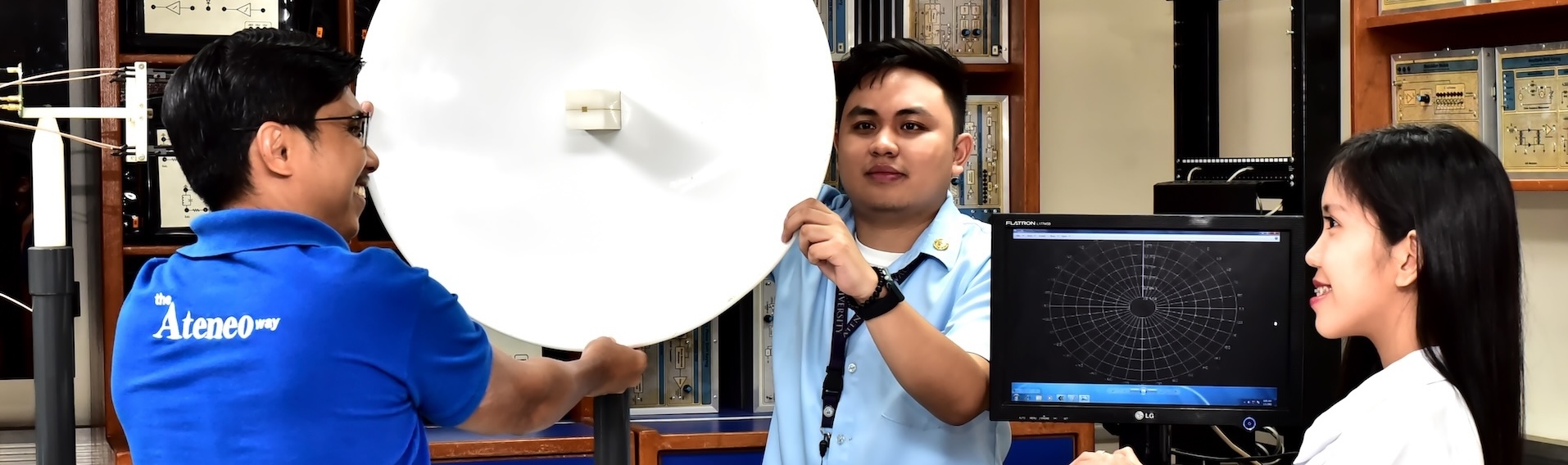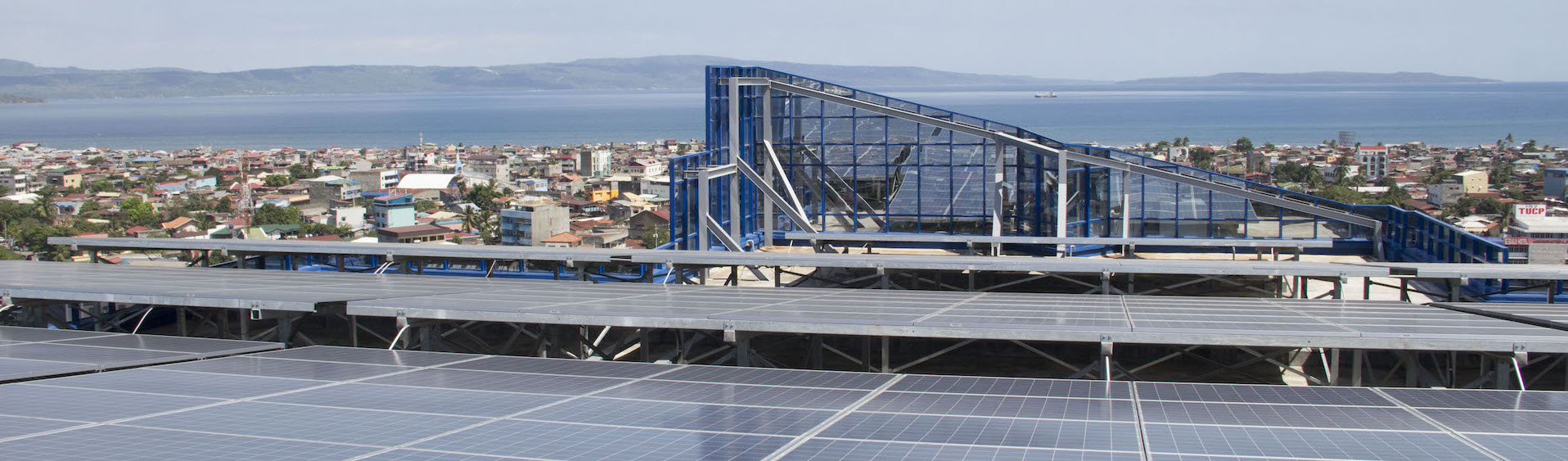
Program Educational Objectives
Ateneo de Davao University Electronics Engineering graduates will:
1. Apply strong technical competencies in
- Communication and Computer Networks
- Building Auxiliary Systems
- Electronic Systems Design and Fabrication
- Power Electronics and Renewable Energy
Through competent professional practice and contributions to engineering projects that meet established industry standards.
2. Engage in industry-relevant research and innovation by utilizing current and appropriate technologies to produce meaningful outputs such as technical studies, prototypes, or system enhancements.
3. Advance professional growth through continued education, certifications, formal trainings, certification, or active participation in recognized professional organizations.
4. Exhibit ethical and effective leadership by communicating with clarity, collaborating responsibly in multidisciplinary settings, and adhering to professional and ethical norms.
5. Uphold Filipino and Christian values by practicing integrity, social responsibility, and service to the community in their professional endeavors.
Program Outcomes
Program outcomes specify what students are expected to know and be able to do by the time of graduation. These relate to the skills, knowledge, and behaviors that the students acquire as they go through the program.
By the time of graduation, the students of the BSECE program shall have the ability to:
- Apply knowledge of mathematics and science to solve engineering problems.
- Design and conduct experiments, as well as analyze and interpret data.
- Design a system, component, or process to meet desired needs within realistic constraints (economic, environmental, social, political, safety, manufacturability, sustainability) and applicable standards.
- Function effectively on multidisciplinary teams.
- Identify, formulate, and solve engineering problems.
- Apply professional and ethical responsibility.
- Communicate effectively in technical and professional settings.
- Identify the impact of engineering solutions in a global, economic, environmental, and societal context.
- Recognize the need for, and engage in, lifelong learning.
- Apply knowledge of contemporary issues relevant to electronics engineering.
- Use techniques, skills, and modern engineering tools necessary for engineering practice.
- Apply engineering and management principles as a member or leader in a team and manage projects in multidisciplinary environments.
- Understand the broader responsibilities of engineering practice within social, ethical, and professional contexts.
Click here for BS ECE Program of Study.
Full-Time Faculty
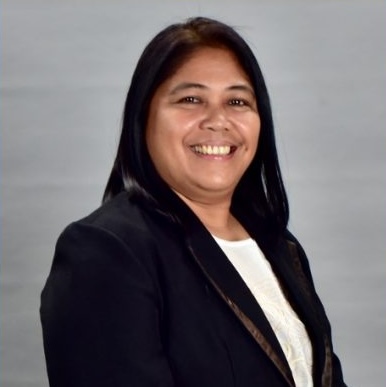
Dr. Jenith Banluta
BS Electronics and Communications Engineering
University of Southeastern Philippines
Master of Arts in Engineering Education
University of the Immaculate Conception
Doctor of Philosophy (Electrical and Electronics Engineering)
University of the Philippines Diliman

Engr. Nelson Enano Jr.
BS Electronics and Communications Engineering
Ateneo de Davao University
Master of Science in Engineering and Policy Analysis
Delft University of Technology (Netherlands)
Doctor of Engineering
Ateneo de Davao University

Engr. Marloue Pidor
BS Electronics and Communications Engineering
University of Southeastern Philippines
Master in Information Technology
University of the Immaculate Conception
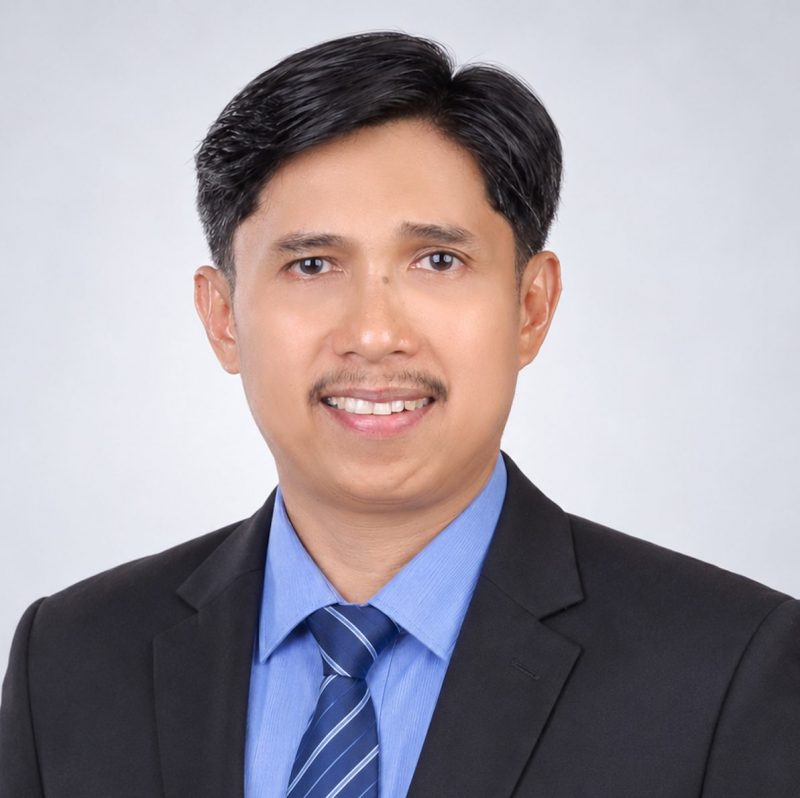
Engr. Raymond Pidor
BS Electronics and Communications Engineering
University of the Immaculate Conception
Master of Engineering Program
Major in Electronics and Communications Engineering
Ateneo de Davao University
Master in Information Technology
University of the Immaculate Conception

Engr. April Salazar
BS Electronics and Communications Engineering
Ateneo de Davao University
MS Electronics Engineering
Ateneo de Manila University
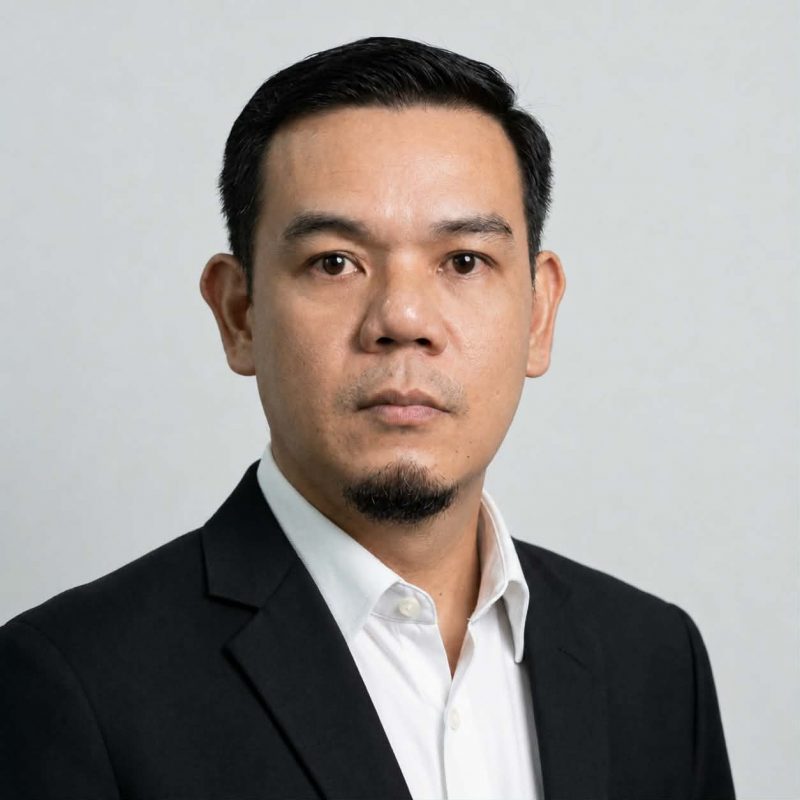
Engr. Josef Rene Villanueva
BS Electronics and Communications Engineering
Ateneo de Davao University
MEng Electronics Engineering
Ateneo de Davao University